The land of FIRE and ICE – prepare for an unforgettable trip with the mesmerising landscapes; wild, unpredictable weather; and once-in-a-lifetime experiences! I spent 9 days solo travelling Iceland with a campervan and it was incredible! Keep reading for all the info!

What to expect
Currency: Icelandic króna ISK
Language: The official language of Iceland is Icelandic (Íslenska). English is widely spoken and understood in Iceland.
How To Get There: I flew from Dublin to Keflavik, Iceland with Play Air and I would recommend.
Credit Cards & ATMs: Credit/debit cards and Apple Pay are accepted throughout Iceland. Cash is rarely used. During my 9-nights, I only came across 1 campsite that required cash but they happily accepted other currencies (I paid in euros).
Transport: Hiring a car or camper is highly recommended for getting around Iceland if you want freedom and flexibility (more on this here). However, there are plenty of tours that operate from Reykjavik if you do not want to drive. Side note: transport from the airport to Reykjavik can cost upwards of $100 so plan your transport before you arrive.
Cost: Iceland is expensive, simple as. As with all destinations, there are ways to make it more cost-effective i.e. renting a camper versus staying in 5-star hotels. Below are some costs to give you an idea of what to expect.
Diesel €350 for 9 days of driving
Campsites €20-30 per night for 1 person (with electricity)
Meals €25 for Chicken Burger, Chips and Coke. €32 for Shakshuka, Coffee & Pastry.
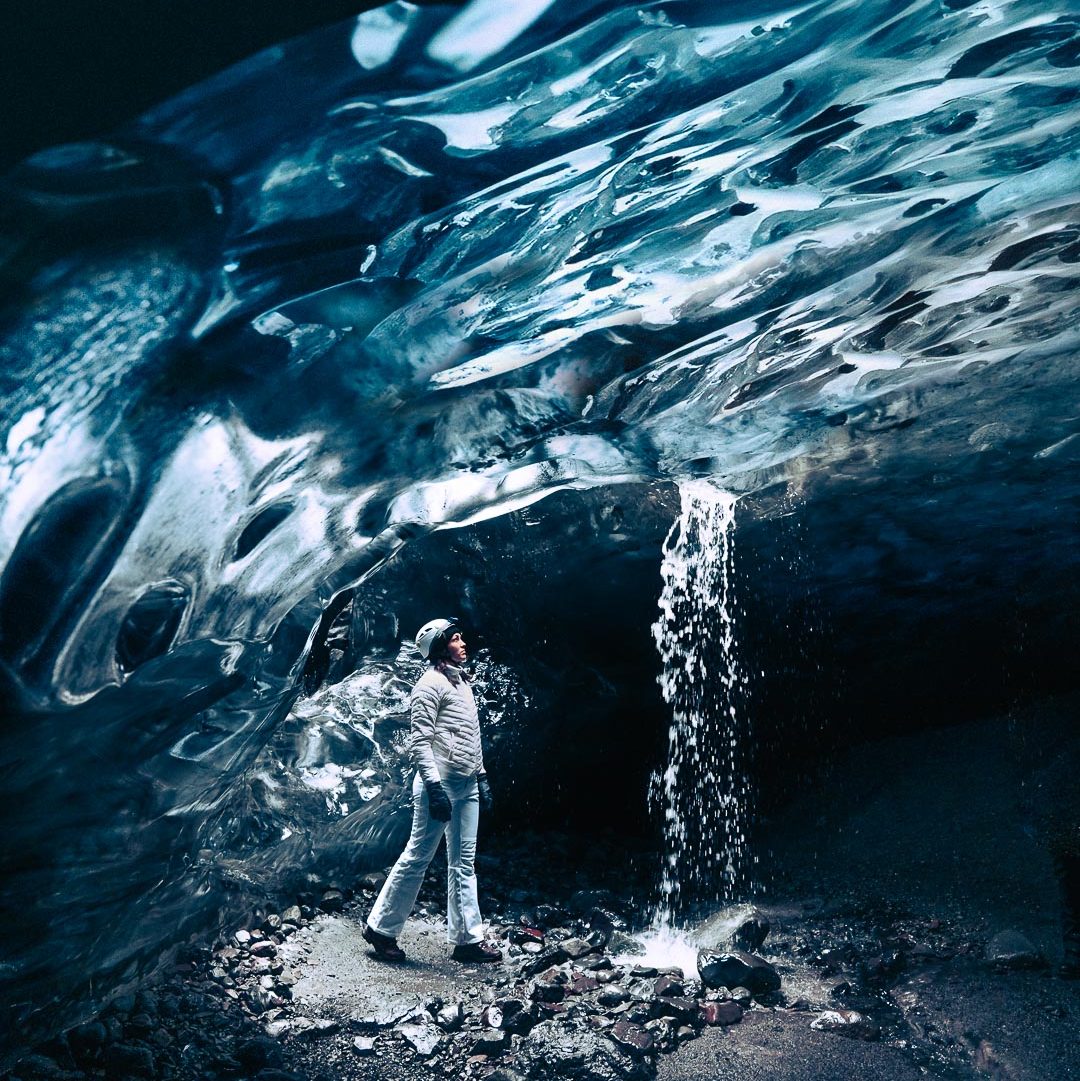
Ice caving €180
Whale Watching €90
The Best Time To Visit
The best time to visit Iceland depends on your preferences and what you’d like to experience:
Summer (June to August): Mild temperatures, with average highs ranging from 10°C to 15°C. Experience the Midnight Sun phenomenon, with almost 24 hours of daylight in June. Ideal for outdoor adventures like hiking, camping, and exploring the highlands. It’s also the best time for whale watching and visiting puffin colonies along the coast.
Autumn (September to November): Temperatures start to cool down, with average highs ranging from 5°C to 10°C. Daylight hours gradually decrease, but October still offers a good chance to witness the Northern Lights.
Winter (December to February): Colder temperatures, with average highs around 0°C. Expect snowfall, especially in January and February. Short daylight hours, but long nights offer excellent opportunities to witness the Northern Lights. Winter is perfect for activities like ice cave exploration, snowmobiling and skiing. I would only recommend driving in winter if you are confident driving in icy and snowy conditions.
Spring (March to May): Temperatures start to rise, with average highs ranging from 2°C to 5°C. Daylight hours gradually increase, providing more opportunities for outdoor activities. March is often the last time to see the northern lights. Weather conditions in Spring are often very harsh and unpredictable, ranging from sunshine to snowstorms and extreme winds.
About My Trip: Tips and Practical Info
I rented a campervan and solo-travelled around Iceland for 9 days/nights in March. Below are some practical tips, however if you want to know the best places to visit in Iceland, click here:
- I rented a campervan from rent.is and would highly recommend! Click here to read everything about renting a campervan in Iceland as a solo female traveller.
- In March the temperature can range from 5°C to -8°C (from my experience). However, I was not one bit cold during the night in the camper (I slept in shorts!). More on this here.
- Packing essentials include waterproof hiking boots, down jacket, rain jacket, waterproof overtrousers, thermals, eyemask and ear plugs (campsites can be bright and loud), portable charger, water bottle, towel poncho, flipflops, waterproof camera cover, headlamp , travel hairdryer (there are no hairdryers at the campsites).
- Drinking water is of exceptionally high quality and safe to drink straight from the tap – I could not even find still water in ANY shop! Fill up your water bottle from any COLD tap. This can be in bathrooms, kitchens, filling stations, literally anywhere. Just leave the water run for a minute until it is ice cold then fill up!
- Campsites were amazing in Iceland! To be honest, I did find it a little difficult to find campsites in March as most close for the winter months (check google maps reviews before arriving). The ones that I did stay at were so well-kept, had amazing facilities, most had unlimited hot showers and majority had kitchen facilities. All but one campsite had electricity (to plug in the camper). Campsites usually cost approximately €20 per night (for 1 person with electricity).
- Parking fees were probably my biggest shock when visitng Iceland – and the cost added up very quickly! You can pay for parking using the parka app. While there are no entrance fees to any of the sites, majority require you to pay for parking or you will be fined!
- Drones in Iceland are quite controversial. There are “no drone” signs everywhere – at every single viewpoint, waterfall, attraction there was a sign! I saw ‘people’ take off their drones from outside of the carpark or a little further away from the attraction (do with that information what you will).
- Supermarkets can be quite costly in Iceland so I would recommend shopping in Bónus or Krónan. There are both of these supermarkets only 10 minutes drive from the airport, a good first stop to set up you up nicely for your trip.
- Weather is extremely unpredictable in Iceland! Always check the weather forecast before you had out for the day, and also check it throughout the day! I got caught in an orange-warning blizzard up a mountain one day even when i had been checking the forecast- so be warned that the weather in Iceland can change in an instant. Some useful websites are: vedur.is for general weather forecast, weather warnings and aurora forecast. Road.is has webcams across the country so you can check the road conditions prior to heading off on your journey.

Iceland: The Ultimate Roadtrip
I rented a campervan and solo travelled across Iceland for 9 days. Read on for tips for Iceland solo travel, the best campsites and must-see…
Keep reading
Solo Female Guide: Renting a Campervan in Iceland | Tips & Recommendations
I solo-traveled to Iceland for 9 days, renting a campervan for flexibility. For a safe experience, rent.is offered a reliable vehicle with 24-hour collection and…
Keep reading


 aoife-odwyer
Leave a Reply